How to Prepare Your Homestead Home's HVAC for Winter
Published: 2026-06-19 · By BreezeHVAC Air Conditioning Repair Service
As winter approaches, many Homestead residents prepare for cooler temperatures, but they may overlook one critical aspect of their homes: the HVAC system. Living in a region known for high humidity and the relentless salt air from coastal breezes, your HVAC unit must be ready not just for the winter chill but also for the unique environmental stresses of our locale. Neglecting to prepare could mean higher energy bills and unexpected breakdowns when you need your system the most. With a few proactive steps, you can ensure your HVAC system runs efficiently throughout the winter months.
Why This Matters for Homestead Homeowners
Homestead's tropical storms and the damp climate are notorious for impacting the performance of HVAC systems. The combination of high humidity and salt air can lead to corrosion, which affects both indoor comfort and system lifespan. If your HVAC isn't properly maintained, it may struggle to keep up when the cooler weather sets in. This is particularly crucial for elevated homes that rely on effective airflow. Moreover, ignoring your HVAC unit can lead to inefficient operation, resulting in increased energy costs and a greater environmental impact.
Regular maintenance helps identify potential issues before they escalate into costly repairs or replacements, ensuring that your HVAC system is both effective and efficient. Understanding localized building conditions, such as moisture barriers, is essential for maintaining indoor air quality and comfort. For many homeowners in Homestead, taking action now can prevent headaches down the line.
Tip: Schedule a maintenance check with BreezeHVAC to identify any issues affected by local weather, preventing breakdowns during peak use.
Expert Solutions & Actionable Tips
1. Inspect and Clean Your Outdoor Unit
Your HVAC's outdoor unit is especially vulnerable to salt air corrosion and debris buildup. Schedule a deep cleaning to remove dirt and organic matter that may have accumulated. This typically costs between $100 to $250 and can significantly improve efficiency.
Inspect the unit for signs of rust or corrosion, and protect it using a cover designed for area-specific weather conditions. Taking these preventive measures will extend the life of your system.
2. Replace Air Filters Regularly
Changing your air filters is vital for optimal HVAC performance, especially in a humid environment like Homestead. Clogged filters can reduce airflow, thus straining your system. Filters should ideally be changed every 1-3 months, costing around $10 to $30 depending on the type and brand.
Use high-efficiency particulate air (HEPA) filters for better filtration, especially if you have allergies or pets. This simple task makes a significant difference in air quality and energy efficiency.
3. Check and Seal Ductwork
Faulty ductwork can lead to significant energy loss, becoming an expensive problem, especially as temperatures drop. Have your ducts inspected for leaks and ensure proper sealing. Sealant costs can vary from $200 to $600 for a comprehensive inspection and repair.
Effective sealing can improve your HVAC's efficiency by up to 30%, leading to lower energy bills and improved indoor comfort.
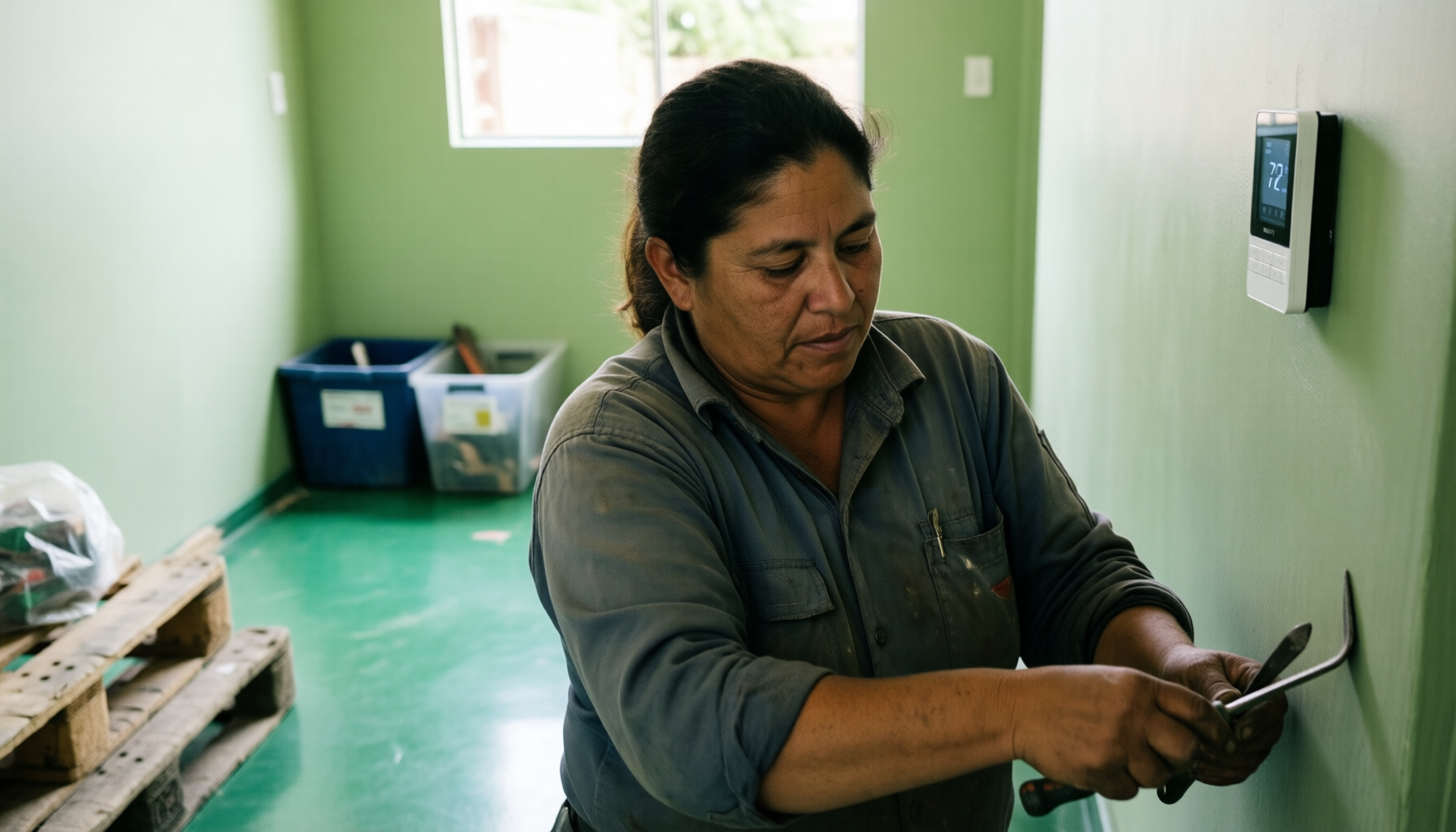
4. Test Your Thermostat
Ensure your thermostat is functioning correctly by testing it against your HVAC system. Simple recalibrations can often be done manually, or you may want to consider replacing an old thermostat with a programmable model costing between $50 to $200.
A programmable thermostat gives you greater control over your heating schedule, which can boost efficiency and save you money.
5. Monitor Humidity Levels
Given Homestead's notorious humidity, using a hygrometer to monitor indoor humidity levels becomes crucial. Ideal indoor humidity should be between 30-50%. Investing in a dehumidifier might be necessary if levels exceed this, costing around $200 to $300.
Lower humidity levels can prevent mold growth and improve the overall quality of your indoor air, contributing to a healthier home environment.
6. Plan for Emergency Repairs
Given Florida’s unpredictable weather patterns, it's wise to have a contingency plan for HVAC emergencies. Research local specialists and have their contact information ready. Keeping an emergency fund of $500-$1000 for unexpected repairs is a proactive way to alleviate the financial strain should a problem arise.
Preparedness can make a significant difference during peak seasons when HVAC services may be in high demand.
Homestead Climate & Local Context
Homestead’s climate presents unique challenges for homeowners. The high humidity and salt air contribute to faster corrosion of HVAC units and fixtures. Properties built with elevated structures and moisture barriers are designed to combat these issues, but even with these precautions, proper HVAC maintenance is non-negotiable to ensure comfort and safety.
Local building codes may dictate specific requirements for HVAC installations and modifications. It's crucial to stay compliant to avoid potential fines or safety hazards. Understanding these codes helps homeowners navigate the complexities of heating and cooling systems in an environment prone to tropical storms.
When to Call a Professional
DIY home projects can save you money, but HVAC work often requires specialized knowledge. Many tasks, such as seasonal maintenance, can be performed by savvy homeowners. However, calling in a professional is essential for complex issues. Some maintenance tasks may seem simple but can cause more harm than good if attempted without proper expertise.
- Broken thermostat
- Persistent unusual noises from the unit
- Persistent humidity issues
- Airflow discrepancies in different rooms
- Unexplained increases in energy bills
- Water pooling around the unit
- Outdated or worn-out units
Identifying these red flags early can save you time and money, giving you peace of mind as winter nears.
Frequently Asked Questions
What types of HVAC systems are most common in Homestead?
In Homestead, central air conditioning systems are prevalent due to their efficiency and ability to handle the high humidity levels. Many homes also utilize mini-split systems for zoned cooling, especially in elevated structures.
How often should I schedule HVAC maintenance?
It’s recommended to schedule HVAC maintenance at least twice a year—before the summer and winter seasons. This routine check can prevent unexpected failures during extreme weather.
Can I perform HVAC repairs myself?
While some basic HVAC tasks can be done by homeowners, repairs such as electrical issues or refrigerant handling should always be left to professionals to ensure safety and proper functioning.
What should I do if my HVAC system is making strange noises?
Strange noises may indicate a mechanical failure. If your system is making unusual sounds, it’s best to stop using it and contact BreezeHVAC for a professional diagnosis.
How can I improve the energy efficiency of my HVAC system?
Improve energy efficiency by regularly changing air filters, sealing ductwork, and using programmable thermostats to adjust settings based on your schedule, which is essential in Homestead’s climate.
Get Expert HVAC Service in Homestead
If you want to ensure your HVAC system is ready for this winter in Homestead, it’s time to call BreezeHVAC Air Conditioning Repair Service at (645) 219-1430. Our experienced team is here to help you keep your home comfortable all season long.
Don’t wait for a breakdown—get in touch today, and let us help you navigate the unique challenges of maintaining your HVAC system in our beautiful Florida environment.