5 Things Your Homestead HVAC Technician Wishes You Knew
Published: 2026-06-19 · By BreezeHVAC Air Conditioning Repair Service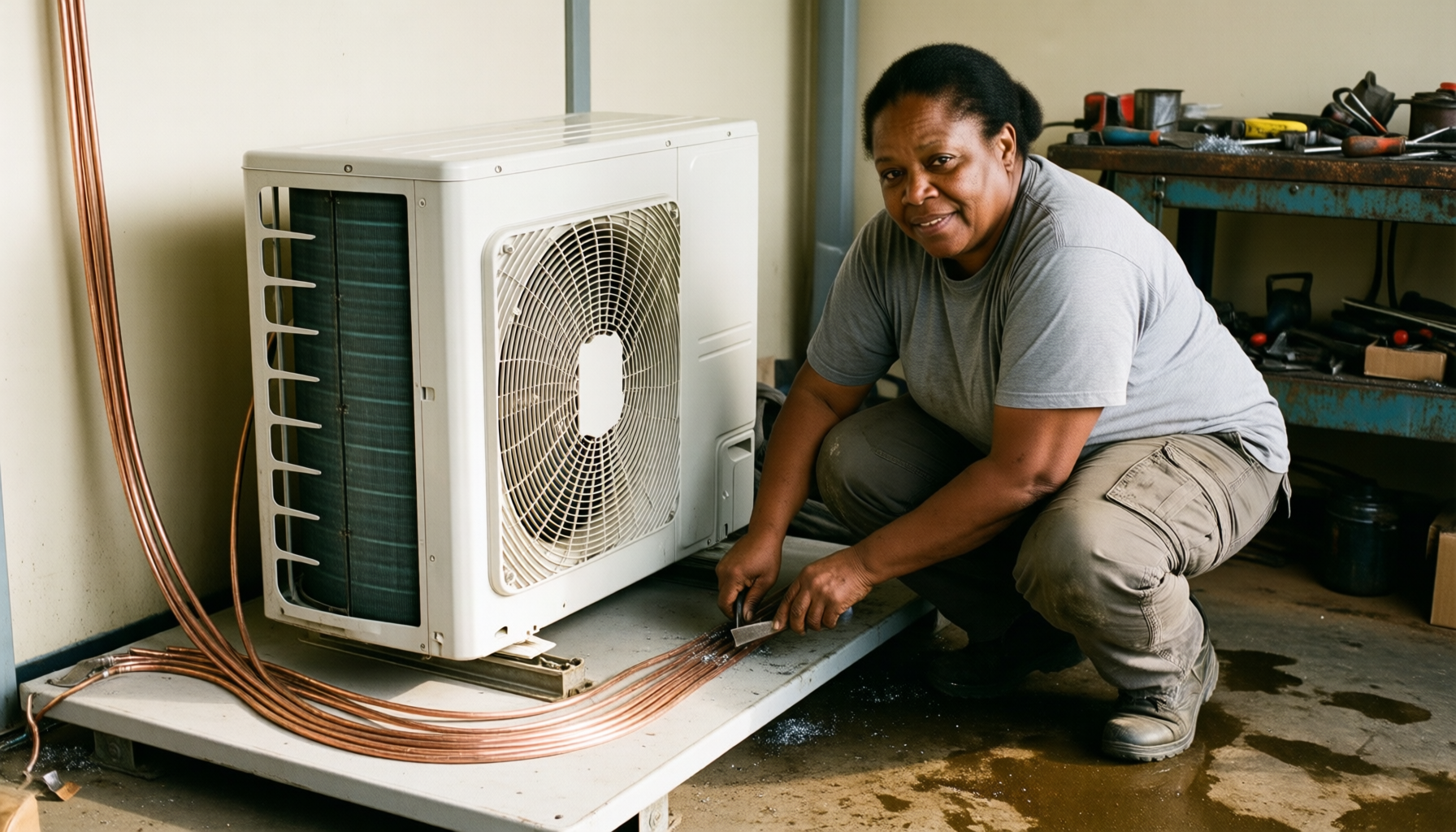
Living in Homestead, you are acutely aware of the challenges that come with tropical storms and high humidity, not to mention the corrosive effects of salt air on your home’s infrastructure. Has your HVAC system been working tirelessly to maintain comfort in these conditions? Let’s talk about five essential insights your HVAC technician wishes all Homestead homeowners understood. Knowing these can not only lead to better maintenance but can also prevent costly repairs in the aftermath of a storm or during a sweltering summer day.
Why This Matters for Homestead Homeowners
The climate in Homestead requires a specialized approach to HVAC care. The combination of elevated humidity and salt air accelerates corrosion of your air conditioning unit, shortening its lifespan and efficiency. Many homeowners overlook routine maintenance until their systems fail. Unfortunately, the results can be uncomfortable heat or, worse, complete breakdowns during sweltering months.
Moreover, tropical storms pose a severe risk. These storms can introduce excess moisture into your HVAC system, which can lead to mold and mildew, compromising both indoor air quality and system functionality. Therefore, understanding how local weather impacts your HVAC is crucial for proactive measures.
Keep in mind that regular tune-ups before peak seasons, especially during early summer and ahead of hurricane season, can save you significant repair costs and ensure efficient operation.
Being informed empowers you to take responsible actions that safeguard your investment in heating and cooling systems, ensuring your home remains a sanctuary amidst Homestead’s climate challenges.
Expert Solutions & Actionable Tips
1. Regular Maintenance is Key
Homestead's climate can be punishing on HVAC systems, making regular maintenance even more important. Schedule semiannual tune-ups to keep your system running smoothly. Expect to pay between $100 and $200 for a professional inspection, which usually takes 1-2 hours. These routine checkups help catch issues before they become serious and extend the life of your HVAC unit.
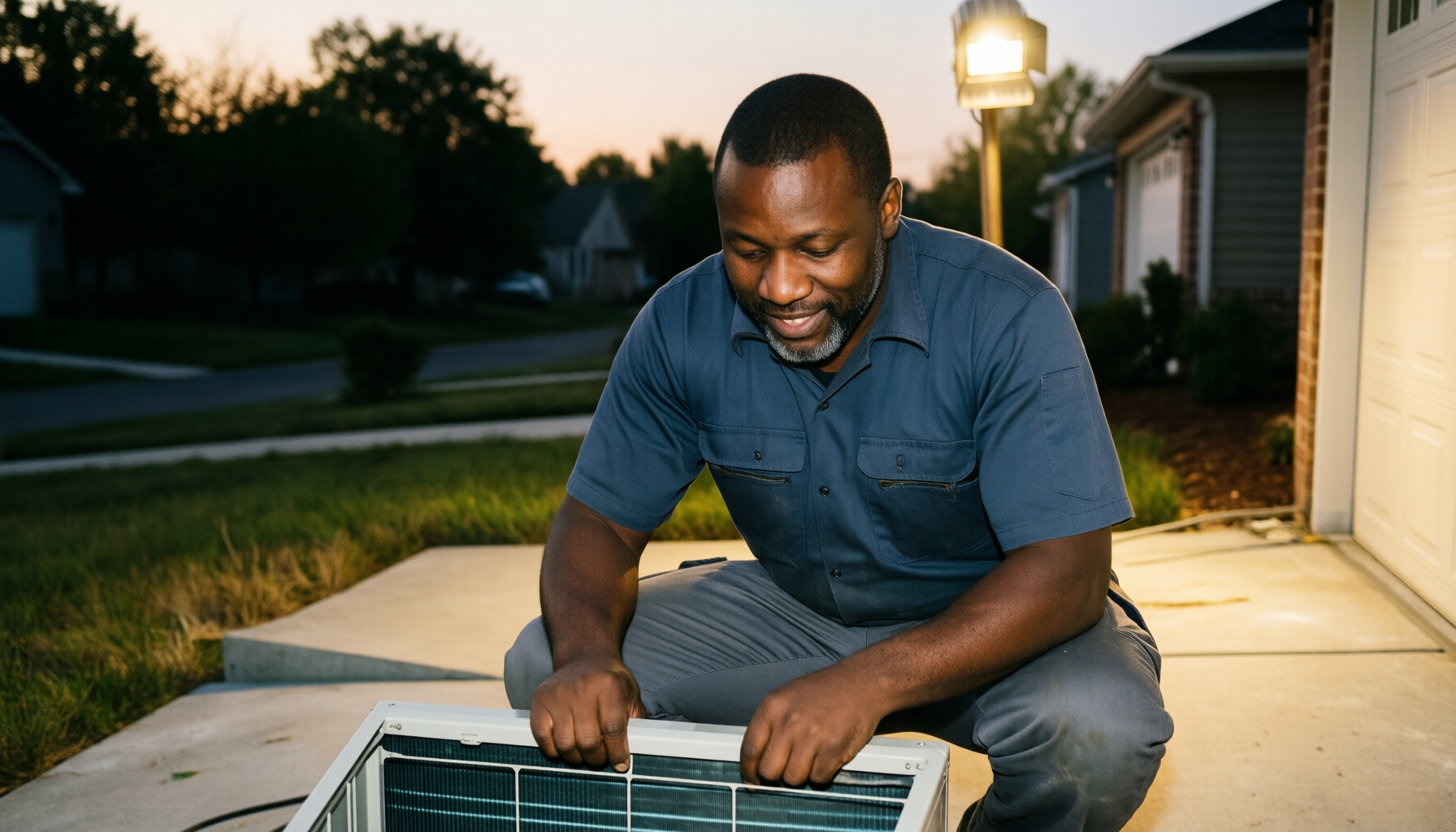
Special attention should be paid to the condenser coils, which can become clogged with dirt and debris due to high humidity and are often less visible. A technician can clean these during maintenance visits, ensuring efficient operation and reducing energy bills.
2. Invest in a Dehumidifier
The humidity level in Homestead often exceeds comfort levels, leading to mold, mildew, and discomfort. Homeowners might consider a whole-house dehumidifier, which can cost anywhere from $1,500 to $3,000 installed. This works alongside your HVAC system to remove excess moisture from the air, making indoors more comfortable and protecting your investment.
While portable dehumidifiers can help in single rooms, whole-house systems cover your entire living space, providing a more comprehensive solution against humidity-related issues.
3. Select the Right Filters
Choosing the right air filter for your HVAC system can greatly affect performance, especially in a coastal town like Homestead. Pleated filters with a MERV rating of 7-12 are optimal for capturing allergens and particles in humid environments and may cost around $15 to $30 each. Change filters every 1-3 months for optimal airflow and system efficiency.
A clogged filter can lead to increased energy costs and system stress, leading to premature failures. Prioritize filtration and keep your system running optimally.
4. Protect Outdoor Units
Salt air can wreak havoc on outdoor HVAC components. Installing a protective cover during severe weather can help mitigate damage. High-quality covers cost around $50-$150 and can prolong the life of your unit. Additionally, consider positioning the unit away from direct exposure to salt spray, if possible.
Expect deterioration otherwise, as corrosion can significantly impact performance and lead to costly repairs or replacements.
5. Understand Your Thermostat Options
Equipping your home with a smart thermostat can yield substantial energy savings—often around 10-15% on cooling costs. Expect to invest approximately $100 to $250 for a good model. These thermostats allow for scheduling and remote control, ensuring your system runs efficiently, even when you're away.
They are especially beneficial during the summer months when temperatures rise; they efficiently adapt your HVAC system to your usage patterns, helping you maintain comfort at a lower cost.
6. Know When to Call a Professional
While DIY maintenance is a great way to save money, some tasks should always be left to professionals. Common issues like refrigerant leaks or electrical problems necessitate the experience of an HVAC technician. Basic leak repairs can range from $200 to $1,500 depending on severity and system type.
Trying to DIY can not only lead to more damage but also void warranties. Trusting qualified experts when necessary safeguards your HVAC system's health and efficiency.
Homestead Climate & Local Context
Homestead's unique climate and coastal location present several challenges for homeowners, especially when it comes to HVAC systems. Elevated homes often incorporate moisture barriers to combat the persistent humidity and seasonal flooding. These barriers are essential, but even the best precautions can't prevent systems from being impacted by salt air corrosion.
Moreover, the local building codes often require that HVAC systems are suited for the specific hazards presented by the region’s weather, which can lead to additional complexities during installation or upgrades. Compliance with these regulations ensures not only safety but also optimal energy efficiency and system longevity.
When to Call a Professional
Determining when to tackle an HVAC issue yourself or call a professional can be confusing. While minor issues can be managed with some knowledge, there are clear red flags that indicate it's time to seek expert assistance. Here are scenarios that warrant a professional's touch:
- Persistent or unusual noises coming from the unit
- Unexplained increases in energy bills
- Inconsistent indoor temperatures
- Visible signs of leaks or moisture around the system
- Frequent cycling of the HVAC system
- Temperature readings on thermostat not matching room temperature
- Burning smells or smoke
When faced with these, it's best to prioritize safety and system integrity by enlisting an experienced technician.
Frequently Asked Questions
How often should I schedule HVAC maintenance in Homestead?
In Homestead, it’s advisable to have your HVAC system inspected twice a year to prepare for summer and hurricane seasons.
What can I do to reduce humidity in my home?
Consider a whole-house dehumidifier or ensure your HVAC system includes humidity control features to keep moisture levels in check.
How can I ensure my outdoor unit withstands coastal conditions?
Use protective covers during storms and ensure the unit is positioned optimally to minimize exposure to salt air.
What’s the average lifespan of an HVAC system in Homestead?
Due to the harsh climate, HVAC systems in Homestead typically last around 10-15 years, but proper maintenance can extend that lifespan.
When should I replace my HVAC filters?
In Homestead, you should replace filters every 1-3 months to maintain system efficiency, especially during peak usage seasons.
Get Expert HVAC Service in Homestead
If you’re facing any HVAC issues or need maintenance, don’t hesitate to reach out. BreezeHVAC Air Conditioning Repair Service is here to ensure your comfort even in Homestead’s toughest weather conditions.
For scheduling or immediate assistance, call (645) 219-1430. Your comfort is just a call away!